
How to Make Stress Work for You (Instead of Against You)

Feeling Stressed?
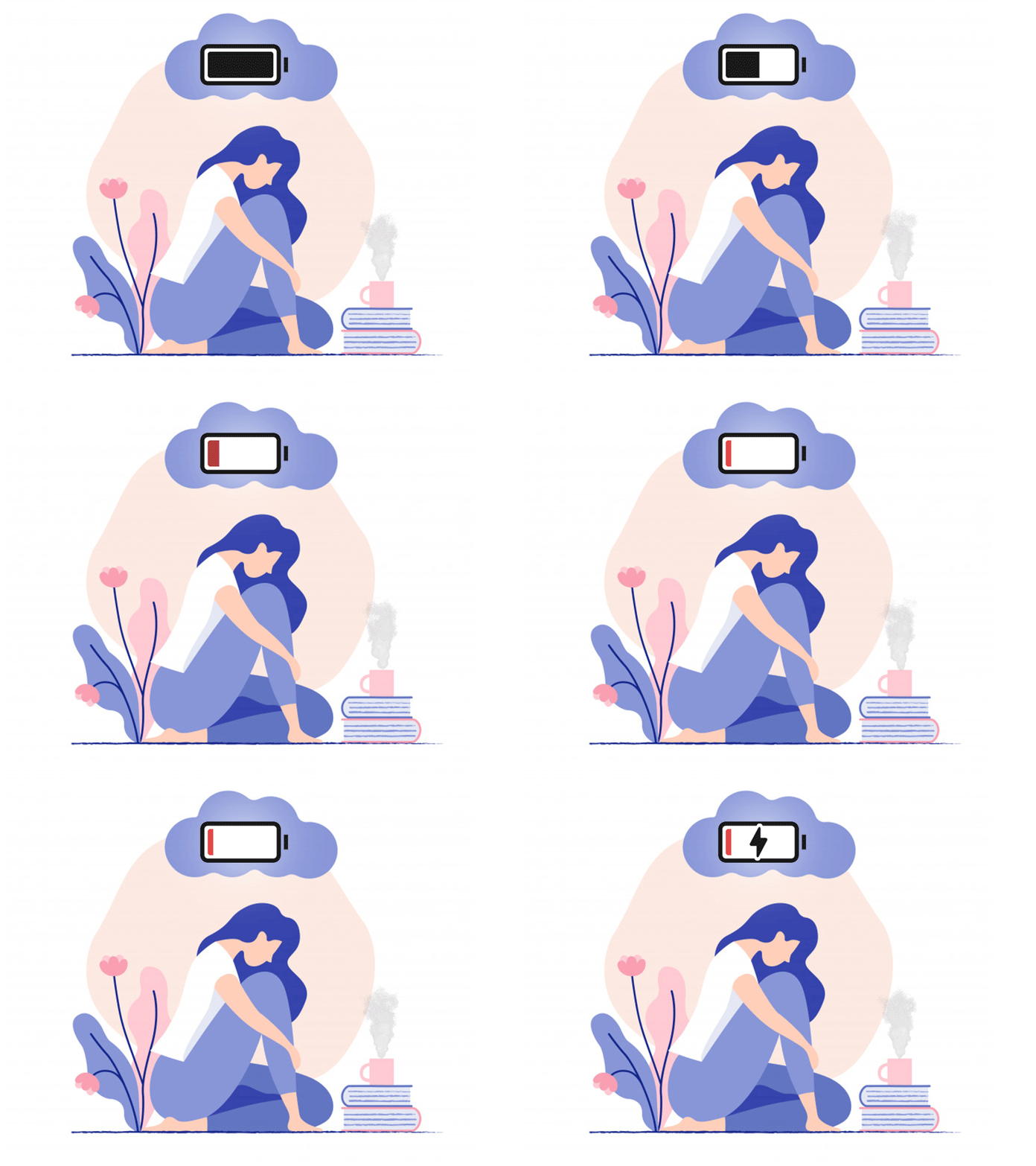
Stress is something all of us experiences. It’s a part of our lives. You tell me?
Have you ever find yourself sleeping restlessly, forgetting little things, feeling irritable or moody or feeling overwhelmed and isolated?
If Yes! Don't worry.
We've all been there. You were probably just stressed out.
What is Stress
Stress is a natural human response to a difficult situation that causes mental tension or worry.
Is stress good or bad?
In many aspects of life, Stress can be helpful, but not for longer periods of time.
Stress isn't always a bad thing and it can sometimes help us get things done, It can come in handy when you need a burst of extra energy and focus, like when you're getting ready for a big game or competition, or perform in front of an audience.
Chronic Stress:
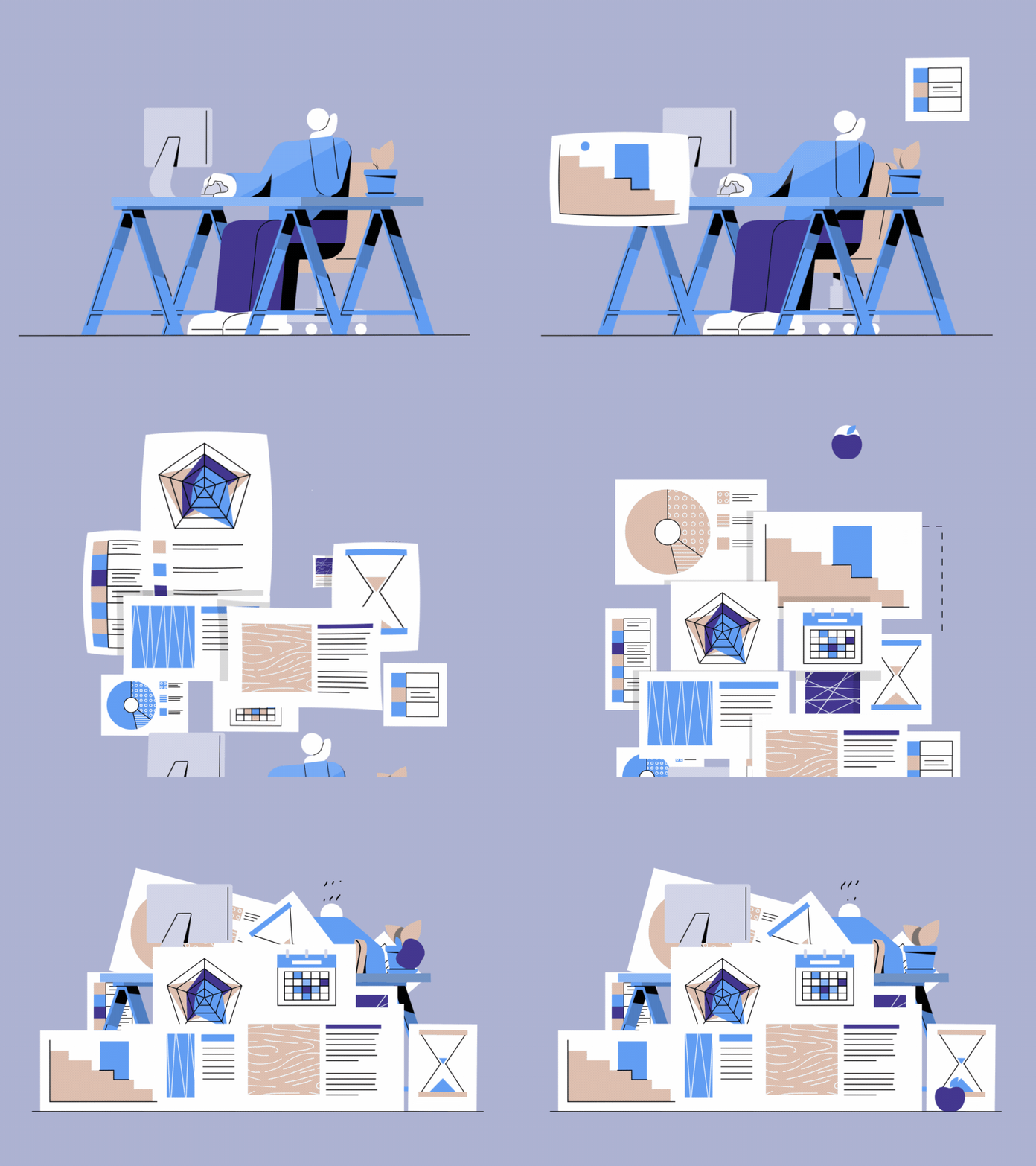
Chronic Stress is a consistent sense of feeling pressured and overwhelmed over a long period of time.
Continuous Stress, the kind most of us feel day to day, can actually begins to impact your brain.
For instance being overworked or having arguments with your spouse can actually affect you in following ways.
It can impact your:
Brain size
Its structure
And, How it functions …
… Right down to the level of your genes.
Stress in Action:

Hypothalamus-pituitary-adrenal axis (HPA):
Stress begins with something called the HPA axis, a series of interactions between Endocrine glands in the brain (it makes hormones that are released directly into the blood) and on the kidney, which controls your body's reaction to stress.
Cortisol:
When you feel stress, your HPA axis is instantly activated and releases a hormone called Cortisol (A hormone which primes your body for instant action). But high levels of cortisol over long periods of time wreak havoc on your brain.
For example:
Chronic stress increases the activity level and number of neural connections in the Amygdala (your brain's fear center), And as levels of cortisol rises, electric signals in your Hippocampus (the part of the brain associated with learning, memories, and stress control) deteriorate over .
The hippocampus also inhibits the activity of the HPA axis, so when it weakens, so does your ability to control your stress.
That's not all, though.
Cortisol can literally cause your brain to shrink in size.
Too much of it results in the loss of synaptic connections between neurons and can also result in shrinking of your prefrontal cortex (the part of your brain the regulates behaviors like concentration, decision-making, judgement, and social interaction.)
It also leads to fewer new brain cells being made in the hippocampus.
Having chronic stress can make it harder to learn and remember things. It can also lead to serious mental health problems like depression and, eventually, Alzheimer's.
Dealing with Stress:
There are many ways to deal with stress and reverse what cortisol does to your stressed brain.
The most powerful weapons are physical exercise and meditation, which involves focusing on your breath and being aware and focused on your surroundings.
Both of these activities decrease your stress and increase the size of the hippocampus, which in return improves your memory.
That's all folks:
I hope you were able to take some insightful and actionable advice from this week’s newsletter.
Stress is inevitable so don’t worry to much and just try to find happiness whenever you can. Also don't feel defeated by the pressures of daily life. it's just life, you choose how to live it and if you are reading this you are progressing towards a healthy life.
If you’ve read this far, Know you are wonderful. I hope you get better at dealing with stress. As always, stay tuned for next week amazing wonders and I will catch you then.
have a great week!
your dear friend,
Zad